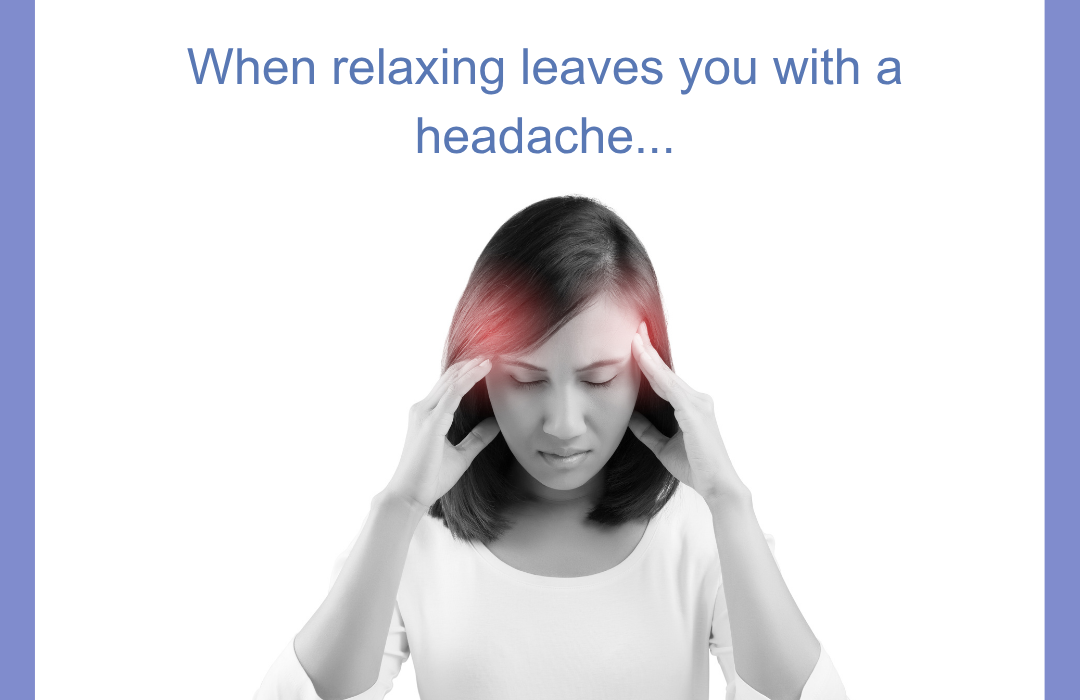
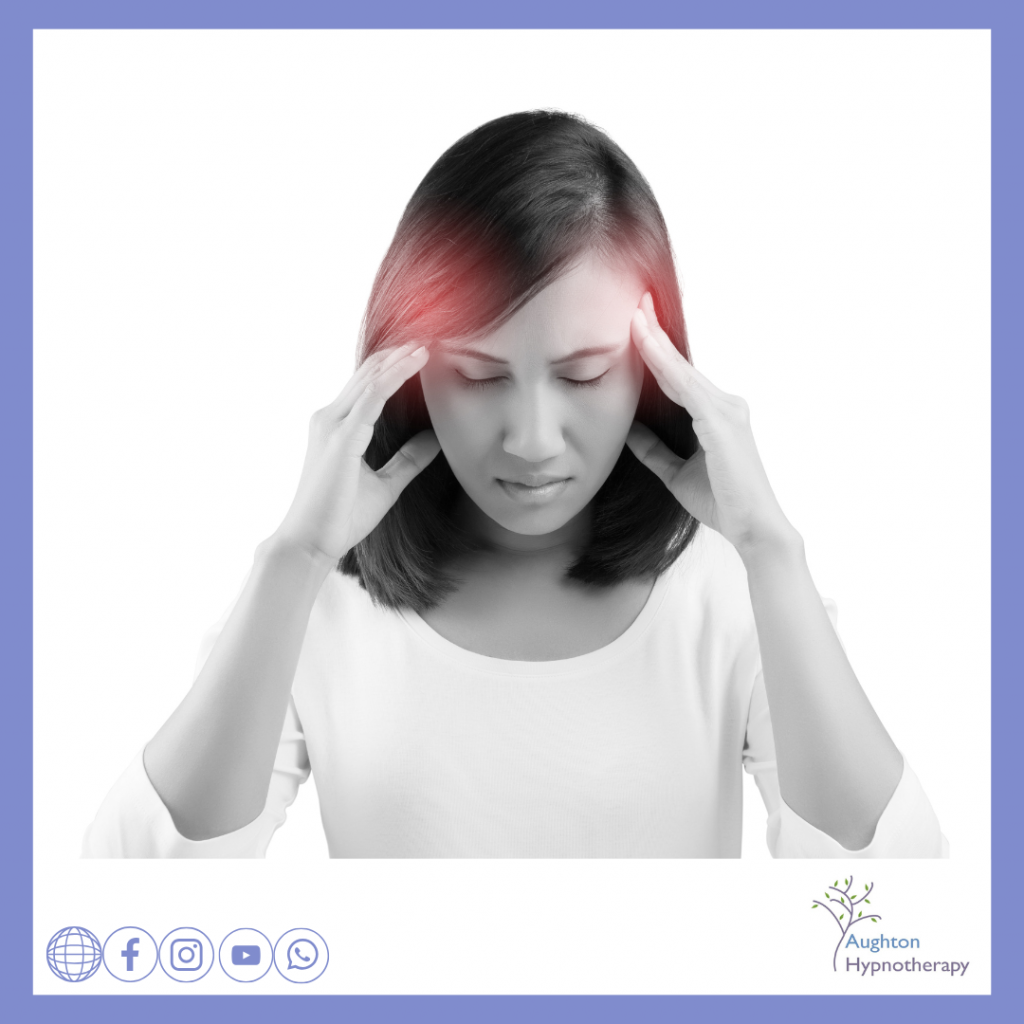
When relaxing leaves you with a headache…
Ever heard the term Cortisol Withdrawal Headache? No, me either, but the more I looked into it and the more I’ve thought about it, the more it makes perfect sense for the headaches and migraines I’ve experienced on my days off, or even during time off on holiday.
The phrase “cortisol withdrawal headache” refers to headaches or migraines that occur when cortisol levels fall after prolonged stress. That long period of stress can just be life as you know it, where you are so used to just getting on with a busy, hectic life that the minute you stop and relax, the headaches and even migraines hit.
What is cortisol?
Cortisol is sometimes known as the stress hormone. It helps your body handle stress, keeps blood sugar steady, controls inflammation, and supports your energy levels.
If you have been stressed for weeks or months, your body can become accustomed to producing more cortisol.
When the stress ends, cortisol levels drop, and some people experience:
- Headaches or migraines
- Fatigue and exhaustion
- Brain fog
- Low mood
- Increased anxiety
- Muscle aches
- Difficulty concentrating
Why might headaches happen?
Several factors may contribute:
Changes in blood vessels: Shifts in stress hormones can alter how blood vessels dilate or constrict, which is linked to migraines.
Sleep disruption: Many people sleep differently once stress goes down, and this change can trigger headaches.
Lifestyle changes: Stressful times often affect how much caffeine you have, your eating habits, and your activity level. When stress lessens, these shifts can lead to headaches.
Muscle tension release: Stress can cause tightness in your neck, shoulders, and jaw. As your body relaxes, you might experience headaches during the adjustment period.
The “Weekend Migraine” Phenomenon
A common example is the weekend migraine. Some people get migraines on Saturdays or during holidays after a busy work week. Researchers think that a sudden drop in stress hormones could be a reason.
When the stress lifts, your body may finally notice how tired and stressed it was, which can manifest as headaches, fatigue, or a feeling of overwhelm before things settle down.
What can help?
- Maintain regular sleep and wake times.
- Stay hydrated
- Eat regularly and balance blood sugar.
- Reduce caffeine gradually rather than suddenly.
- Gentle exercise and movement.
- Stress-management techniques such as relaxation, mindfulness, or hypnotherapy
When to seek medical advice
If headaches are severe, new, worsening, associated with neurological symptoms (vision changes, weakness, speech difficulties), or becoming frequent, it’s important to speak with a healthcare professional.
For women between 40 and 50, it can help to consider if headaches are linked to perimenopausal hormone changes. Shifts in oestrogen and progesterone can affect the body’s stress response and trigger migraines and headaches.
How can Hypnotherapy help?
As a hypnotherapist, I often describe this as the brain and body adjusting after being on “high alert” for a long time.
Being aware of this change can be the first step toward preventing the cortisol drop and the headaches that follow, and working toward reducing cortisol in the first place.
I help clients who experience headaches and migraines gently reduce their cortisol levels, assisting them in changing the patterns of behaviour that lead to high cortisol in the first place. Helping them manage stress and improve their lifestyle.
If you’d like more information about how I can help you, please get in touch here